

In recent years, digital textile printing machines have been widely adopted in the textile industry, particularly in the sampling process.
Compared to traditional sampling methods, digital textile printing machine offers significant advantages in speed, cost, environmental impact, and design flexibility.
1. Speed Advantage
The machine sampling process significantly shortens the sampling time. Traditional sampling methods require multiple steps, including plate making, color matching, and machine setup, which are time-consuming and prone to errors, requiring repeated adjustments.
In contrast, a machine only requires inputting the design pattern into a computer, processing it through specialized software, and then printing it directly onto the fabric. The entire process usually takes only a few hours or even minutes, greatly speeding up the sampling process.

2. Cost Advantage
Digital textile printing machine sampling also has a significant cost advantage. Traditional sampling requires the creation of specialized printing templates, which are expensive and time-consuming to produce.
Digital printing, on the other hand, does not require plate making; only a machine and corresponding ink are needed. After the initial investment in equipment, the subsequent sampling costs are significantly lower.
Additionally, the flexibility of digital printing allows for small batches and multiple varieties of sampling, avoiding the high costs associated with small-batch production in traditional methods.
3. Environmental Advantage
In terms of environmental impact, machine sampling produces less pollution and consumes fewer resources.
Traditional printing methods generate a large amount of wastewater and chemical waste during the plate-making and printing processes, which, if not properly treated, can cause severe environmental pollution.
Digital printing employs a waterless printing technology, reducing water consumption and wastewater discharge. Moreover, the inks used in machines are often environmentally friendly, posing less risk to the environment and human health.

4. Design Flexibility
Digital printing sampling offers unparalleled design flexibility. Traditional sampling methods are constrained by the fixed nature of templates; changing a design requires new plate-making, which is time-consuming and labor-intensive.
Digital printing, however, allows for easy modifications and adjustments to designs, enabling designers to make real-time changes to patterns.
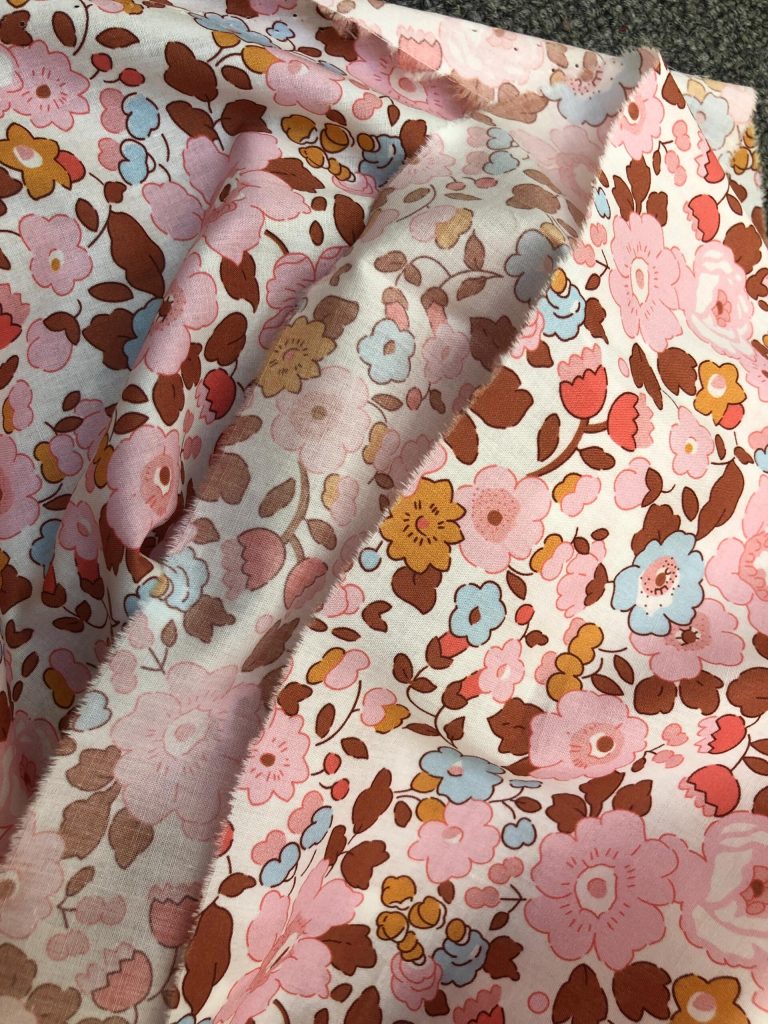
It even allows for multiple different designs on the same piece of fabric. Additionally, digital printing can achieve high-precision, high-resolution printing results, with better detail expression and more vibrant, realistic colors.
5. Personalization and Customization
With the increasing trend towards diverse and personalized consumer demands, digital printing sampling is better equipped to meet market needs.
Digital printing can be customized according to specific customer requirements, catering to the demand for personalized, small-batch production. Traditional sampling methods, however, struggle to offer such flexible customization services.
In summary, digital textile printing machine sampling demonstrates significant advantages in speed, cost, environmental impact, design flexibility, and customization. As technology advances and market demands grow, machine sampling is poised to play an increasingly important role in the textile industry.


