
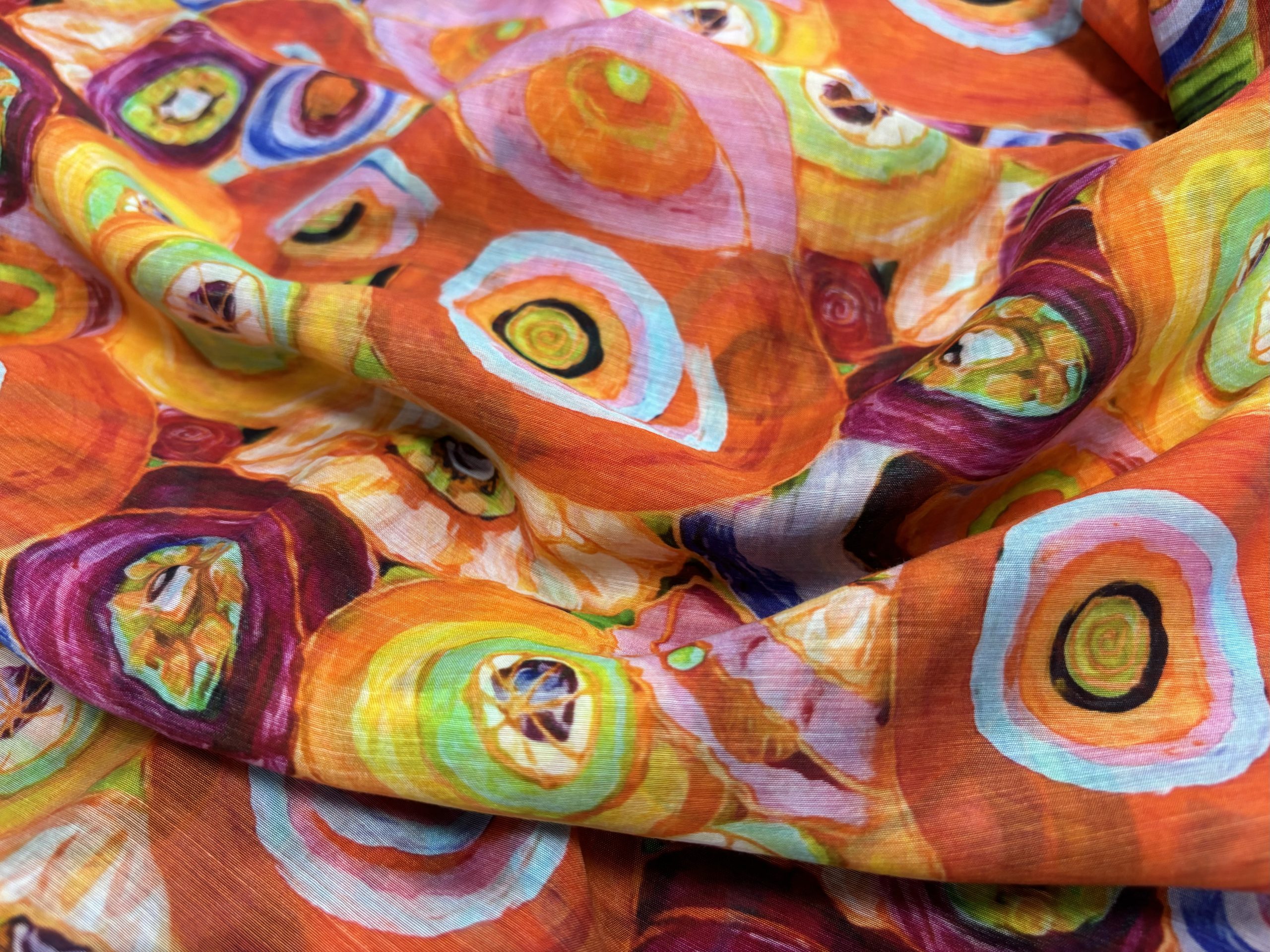
In the digital printing industry, two key concerns are commonly highlighted. The price of digital textile machines and the color fastness of the printed patterns.
Cost is a critical factor in purchasing decisions. In the long run, the color fastness of the patterns is a more important consideration.
As people’s demands for textiles, especially clothing, continue to rise. The color fastness of fabrics has become a crucial indicator of product quality.
Poor color fastness affects the appearance and durability of products. And can lead to customer dissatisfaction and damage a brand’s reputation.
The reasons for poor color fastness can be attributed to several factors.
This article will delve into the key aspects affecting color fastness in digital printing. Including fabric selection, dye usage, printing equipment performance, and process control.

1. The Relationship Between Fabric Quality and Color Fastness
First, the quality of the fabric itself is one of the critical factors affecting color fastness.
Different types of fabrics perform differently after printing, especially those with rough surfaces. Such fabrics are prone to fiber breakage on the surface under dry conditions.
Forming colored particles that easily fall off during friction, leads to a further decline in color fastness. In addition, fabrics with a nap are more likely to accumulate dust and dirt. Further exacerbating the problem of color fastness.
To improve this issue, manufacturers should choose fabrics with smooth surfaces and uniform textures. Ensure that the fabric is adequately pre-treated before printing, such as removing surface impurities and enhancing the fabric’s adsorption properties.
Pre-treatment can not only improve color fastness but also enhance the clarity and color saturation of the pattern.
2. The Impact of Dye Selection and Usage on Color Fastness
Dye selection and usage are other key factors that determine color fastness. Reactive dyes are commonly used in digital printing due to their ability to form chemical bonds with fibers.
Thereby improving the firmness of the dye. However, the concentration of the dye and the depth of dyeing also directly affect color fastness.
For example, in dark dyeing, because of the higher concentration of dye used. It is easy to exceed the saturation point of the fabric. And leading to excess dye that cannot fully bond with the fibers.
This excess dye forms a “floating color” on the surface of the fabric, which is prone to fading and smudging during friction.
To avoid this issue, operators should strictly control the amount of dye used and ensure even distribution of the dye on the fabric surface. Additionally, optimizing dyeing effects by adjusting dyeing time and temperature can further enhance color fastness.
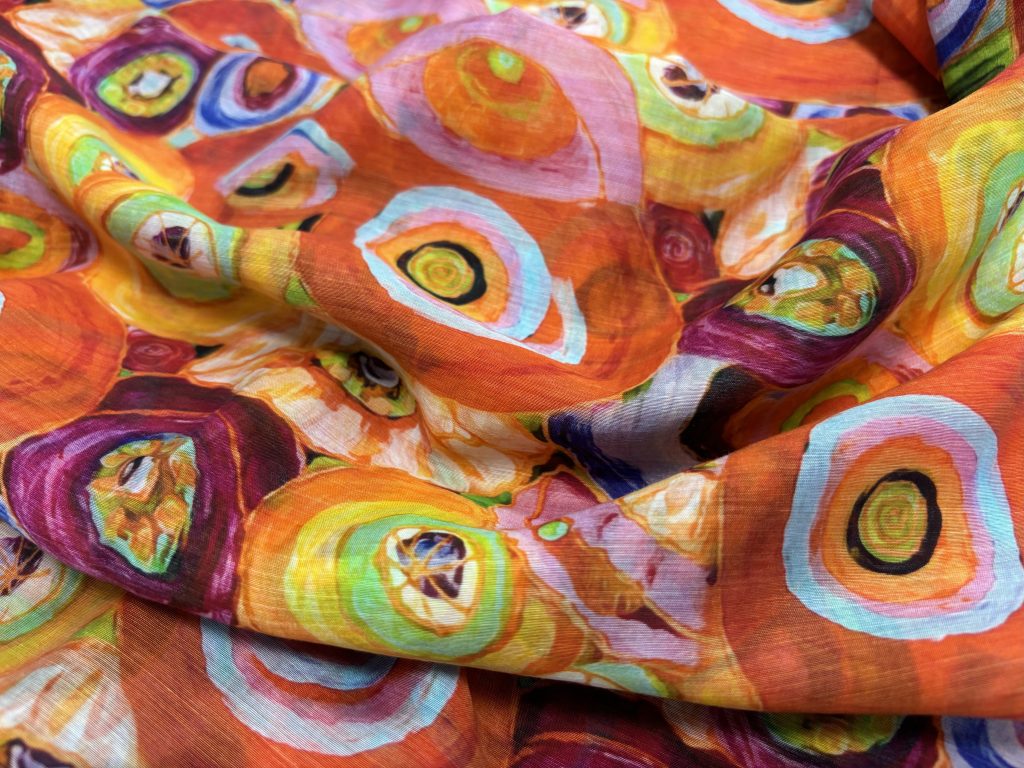
3. The Impact of Digital Printing Machine Performance on Color Fastness
The performance of the digital textile machine itself is also a critical factor affecting color fastness.
Many low-cost digital textile machines on the market, due to cost constraints, struggle to ensure print quality. Resulting in patterns with unclear details and unsaturated colors, ultimately affecting color fastness.
A good digital textile machine should offer high-resolution printing capabilities, precise ink control systems, and stable operational performance.
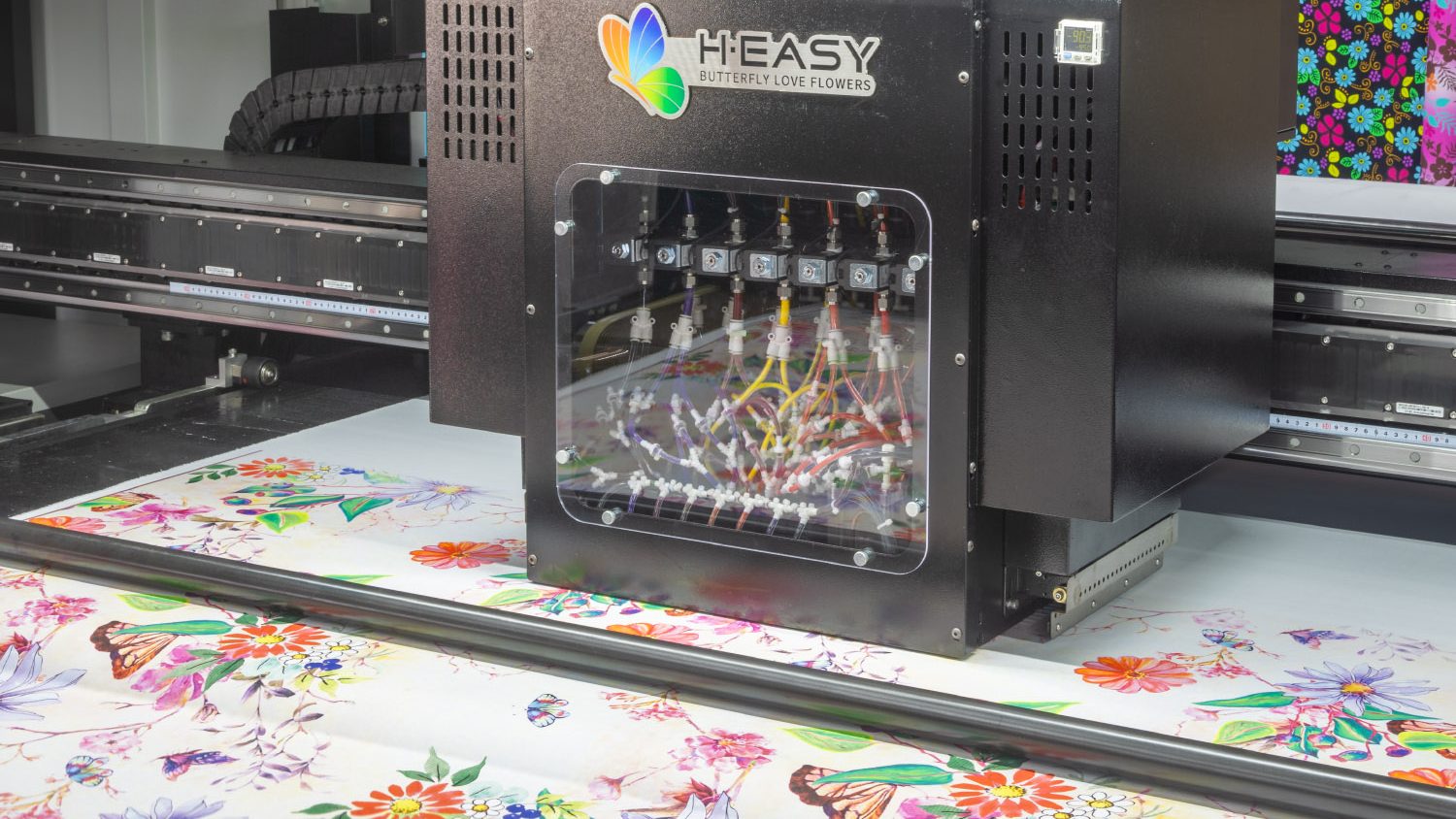
For example, Han Leading’s H·EASY series digital textile machines use Ricoh GEN6 print heads. Ensuring the fineness and saturation of printed patterns while effectively improving color fastness.
Through precise ink drop control and print head technology, the H·EASY series machines can achieve more uniform dyeing on fiber surfaces. Reducing the occurrence of floating colors and significantly enhancing color fastness.
4. The Relationship Between Process Control and Color Fastness
In addition to equipment and materials, the control of the process also has a significant impact on color fastness. The digital printing process includes several steps, such as pre-treatment, printing, and post-treatment, each of which can affect the final color fastness.
For example, whether the fabric pre-treatment is adequate before printing. Whether the fixation process after printing is done correctly is directly related to the durability of the printed patterns.
In actual production, process parameters such as pre-treatment liquid concentration, fixation temperature, and time should be adjusted according to different fabrics and dyes.
By rationally controlling the process, the bonding force between the dye and the fibers can be effectively improved, preventing fading issues.
In summary, the color fastness of digital printing machine patterns is influenced by multiple factors. Including fabric quality, dye selection, equipment performance, and process control.
By managing these aspects scientifically and using advanced equipment technology, color fastness can be significantly improved, offering customers higher-quality products.


