

In recent years, the United States has imposed tariffs on several countries in an attempt to use ‘reciprocal tariffs’ as a means of trade negotiations and trade protection.
In the face of the U.S. tariffs on textiles, apparel, and other export commodities caused by multiple impacts, textile printing enterprises need to find a breakthrough to reduce costs and improve efficiency.
Challenges Posed by Tariff Increases
Overall impact of US tariffs
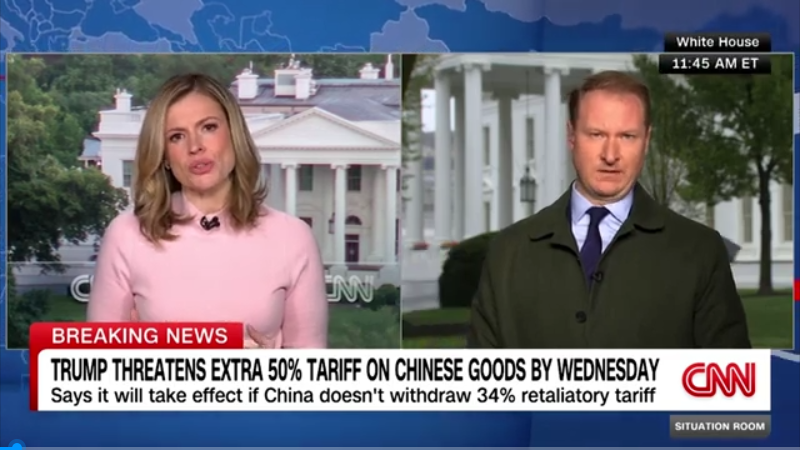
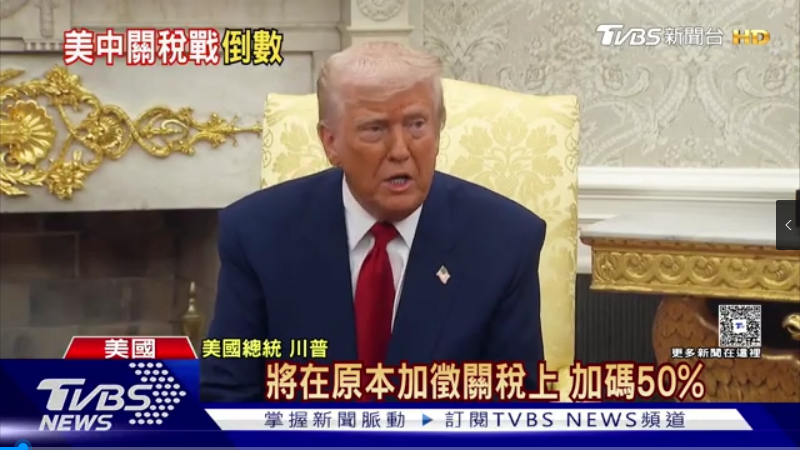
Since the Trump administration came to power, the United States has imposed tariffs on China and other countries.
The latest ‘reciprocal tariffs’ policy makes the import tariffs of some commodities more than 70% cumulative. The textiles, apparel, and other labour-intensive export products bring great pressure.
For the textile printing industry, as the key back-channel processing link in the supply chain. The cost of its export products has risen sharply. Forcing export enterprises to maintain price advantages in the fierce international competition.
Current situation of the textile printing industry
The textile printing industry, which abounds in fabrics and printing and dyeing processing technology, has long relied on low-cost advantages and a mature industrial chain layout.
However, the escalation of tariffs imposed by the United States not only directly increases the cost of raw materials and production and processing. But also makes the export orders face the risk of decline.
Some small and medium-sized enterprises have begun to seek industrial transformation and supply chain reorganisation due to narrow profit margins.
The Inherent Requirements of Textile Printing Enterprises to Reduce Costs and Increase Efficiency
In the context of intensifying global trade friction and rising tariff pressure, textile printing enterprises urgently need to start from the following aspects to achieve cost reduction and efficiency:
Enhance process automation and digitalisation
The introduction of high-end digital printing equipment (such as digital direct injection and thermal sublimation printing machine), through the digital process to replace the traditional plate making and manual operation, not only can significantly shorten the production cycle, but also reduce the cost of waste due to human error and process redundancy.
For example, the use of fully automated equipment and intelligent control systems can regulate inkjet volume and colour accuracy in real time, reducing raw material waste and improving product quality and yield.

Optimise supply chain management
Build a modern supply chain platform represented by ‘blockchain+supply chain finance’ to realise digital monitoring of the whole process of raw material procurement, inventory management, and order delivery.
This not only reduces markups and delays in the intermediate links of the supply chain but also enables us to quickly adjust our inventory strategy in the event of tariff fluctuations and reduce the cost of capital utilization.
In addition, by building industrial alliances with upstream and downstream partners to achieve resource sharing and collaborative production, overall costs can also be further reduced.
Promote product transformation and upgrading and diversified markets
Textile printing enterprises should transform and upgrade from single low-end products to high value-added and functional products.
Research and development of fabrics with anti-bacterial, moisture-absorbent, and anti-ultraviolet ray functions, as well as the combination of digital printing to achieve personalised and customised high-end clothing and home textile products, can enable enterprises to maintain a higher price premium under the impact of tariffs.
At the same time, enterprises should actively develop emerging markets, including Southeast Asia, Africa, and the ‘Belt and Road’ along the route, to reduce dependence on the U.S. market.
Reduce energy consumption and environmental costs
In addition to tariffs, environmental protection requirements are also increasing.
Adopting green printing and dyeing processes, such as energy-saving, low-consumption, waterless dyeing, etc., not only meets the international trend of environmental protection but also reduces the cost of treating wastewater, exhaust gas, and solid waste.
The upgrading of green production technology can not only enhance the corporate brand image but also obtain policy support in the context of tightening environmental regulations.


