

1. Technological Innovation and Equipment Upgrades
Launch of High-Speed and High-Precision Equipment: Multiple equipment manufacturers in the industry have recently introduced a new generation of digital printing machines.
These devices enhance printing speed and image precision and focus on reducing energy consumption and material waste.
The application of new technologies has made the digital textile printing process more intelligent. And better meeting market demands for personalized customization and small-batch production.
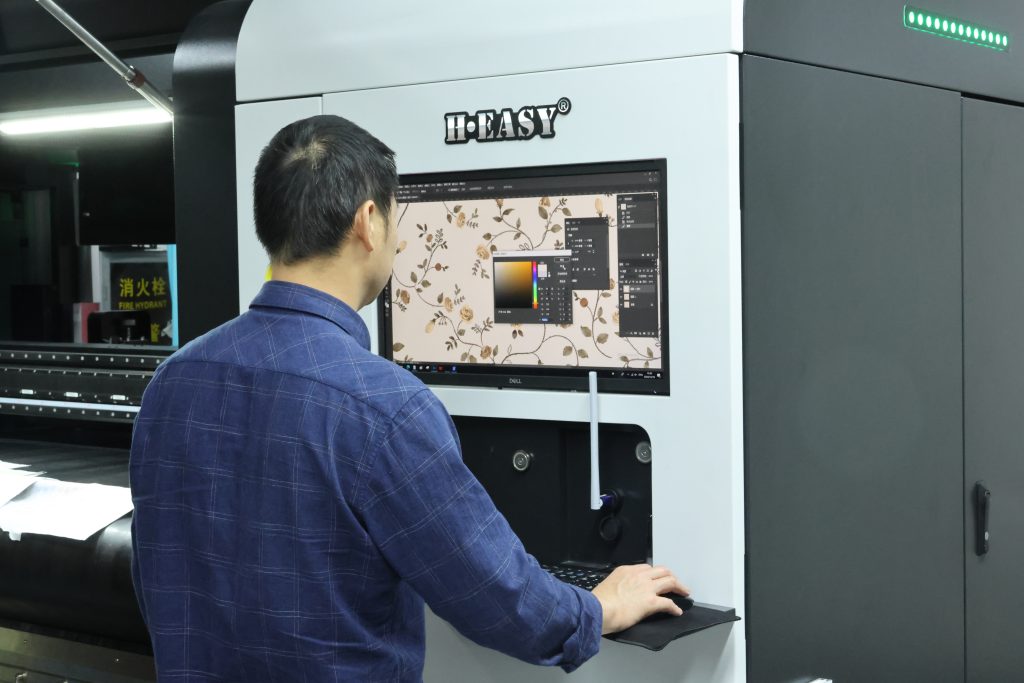
Advancements in Digital Color Management Systems: To ensure accurate color reproduction, many companies have integrated advanced digital color management technologies into their equipment. Enabling full-process color monitoring and adjustment from design to production.

2. Market Demand and Industrial Upgrading
Steady Expansion of Market Size: Driven by consumption upgrades and the trend toward personalized customization. Digital textile printing is seeing growing adoption in apparel, home textiles, industrial decoration, and other sectors.
Industry analysts predict that the global and domestic digital printing markets will maintain high growth rates in the coming years.
Accelerated Digital Transformation for SMEs: Traditional printing companies are actively adopting digital printing technologies to improve production efficiency and market competitiveness.
Meanwhile, startups are rapidly capturing niche markets by leveraging flexibility. And low-cost advantages of digital printing, driving overall industry advancement.
3. Green Practices and Sustainable Development
Promotion of Eco-Friendly Inks and Processes: Against the backdrop of tightening global environmental regulations. The development and application of eco-friendly materials such as water-based inks and solvent-free inks have become focal points.
Some companies have reduced harmful emissions through technological upgrades while improving print quality.
Government Policy Support: Regional governments have introduced supportive policies to promote the green transformation of traditional printing and dyeing industries, including financial subsidies and technical upgrade assistance, helping businesses achieve eco-friendly upgrades and smart manufacturing.
4. International Collaboration and Competitive Landscape
Cross-Border Technology Exchange: Domestic and international digital printing companies have strengthened collaboration at international exhibitions and technology forums, jointly exploring industry trends and technological innovations to foster global knowledge-sharing and progress.
Intensified Global Competition: As market demands diversify worldwide, companies are not only competing in R&D but also refining their brands, after-sales services, and integrated solutions to meet region-specific customization needs.
5. Smart Manufacturing and Industry 4.0 Integration
Automated Production Line Development: With the adoption of AI, big data, and IoT technologies, digital printing production lines are transitioning toward intelligence and flexibility.
The integration of automated inspection and real-time data feedback systems has significantly improved product quality and efficiency.
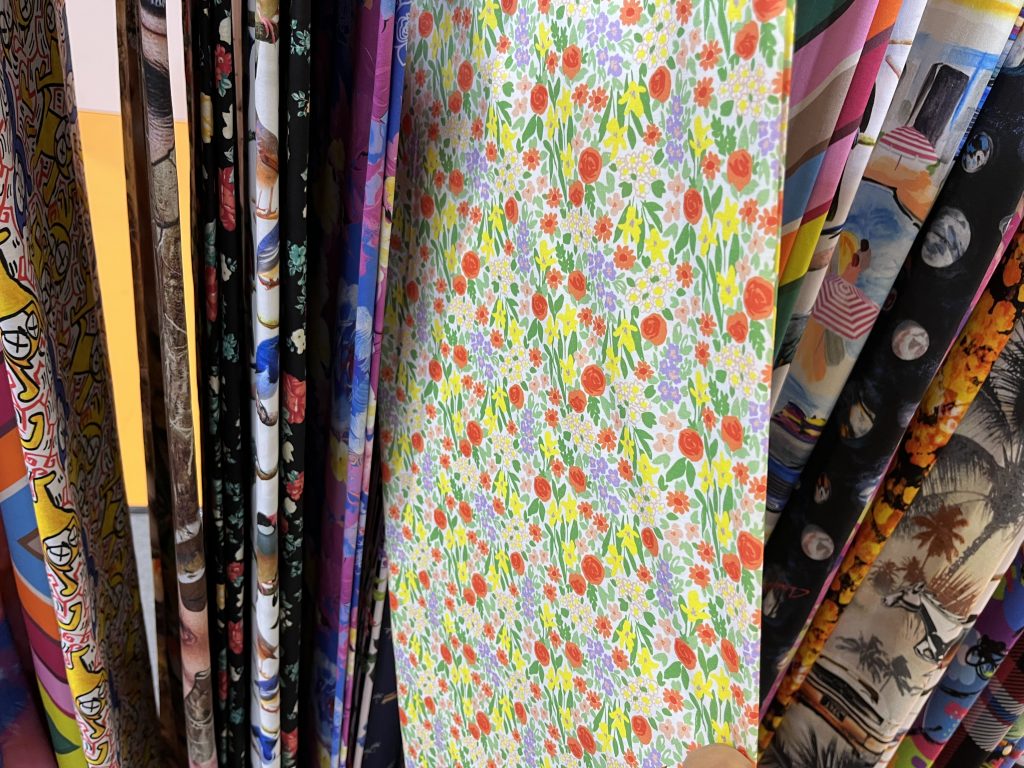
Customization and Flexible Production: Smart manufacturing technologies enable small-batch, multi-variety customized production, allowing companies to respond agilely to market changes and meet consumer demands for personalized products.
Overall Perspective:
Currently, technological innovation and market demand are driving the development of the digital printing industry.
From equipment upgrades and eco-friendly transformations to smart manufacturing, the sector is undergoing a wave of transformation.
Looking ahead, as technologies continue to advance and market demands expand, digital printing is poised to play an increasingly significant role across broader applications.
Note: The above content synthesizes information from multiple sources. Some data and forecasts are based on prevailing industry trends, and actual conditions may vary by region or corporate strategies. For the latest updates, it is recommended to follow updates from professional media, industry reports, or related exhibition information.


