

In recent years, as technology continues to advance and consumer demands diversify, the fabric printing industry is undergoing an unprecedented transformation.
This transformation is not only driven by innovations in printing technology, but also by the digitization, greening, and intelligent upgrading of the entire textile and dyeing supply chain.
This article will examine the background of this transformation, the core driving forces behind it, and its far-reaching impact on the industry.
From Traditional to Digital Printing: A Disruptive Leap in Technology
For a long time, traditional fabric printing methods, including screen printing, rotary screen printing, discharge printing, and transfer printing, have dominated the industry.
However, these traditional processes are generally complex, environmentally taxing, and inefficient. As environmental regulations tighten and labor costs rise, traditional printing is facing unprecedented challenges.
Digital fabric printing technology has emerged as a powerful solution and has quickly become the driving force behind this transformation.
Compared to traditional methods, digital printing requires no plate-making, enables faster sampling, offers richer colors, and produces finer patterns, especially suited for small batch, multi-style, and personalized orders.
Today, high-speed digital fabric printing machines equipped with industrial-grade printheads such as Ricoh, Epson, and Kyocera are widely used in home textiles, fashion, scarves, curtains, carpets, and more.
In particular, machines using the GEN6 printheads stand out for their stability, high-speed output, and ink compatibility, making them the preferred choice for companies seeking to enhance production capacity and quality.

Double-Sided and Dual-Feed Printing: Breaking Through the Bottlenecks of Single-Line Production
To meet the growing diversity of market demands, fabric printing equipment continues to evolve.
Dual-feed printing technology allows a single machine to print two different designs or two separate orders simultaneously, significantly boosting production flexibility and daily output.
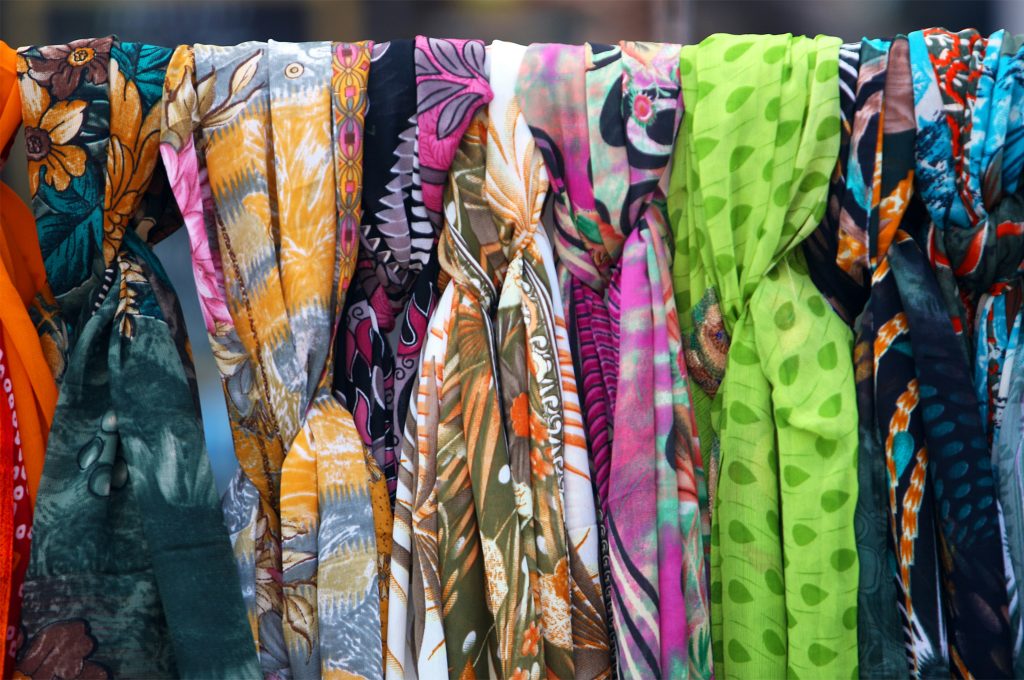
This structural innovation and functionality upgrade is especially well-suited for fabric categories that require large-area continuous pattern output, such as scarves, silk shawls, curtains, and tablecloths.
Through software control and smart scheduling, manufacturers can switch product types quickly without changing equipment, effectively reducing lead times and increasing customer satisfaction.
Green and Sustainable: Eco-Friendliness Is Now the Mainstream
With the global rise in environmental awareness and the introduction of carbon neutrality goals, pollution from the printing industry is drawing more scrutiny.
Traditional printing processes consume large amounts of water and generate significant wastewater, making them a barrier to sustainable development.
Digital fabric printing aligns perfectly with eco-friendly goals thanks to its “on-demand printing” and “zero wastewater discharge” features.
New-generation eco-friendly inks — including disperse, acid, and reactive inks — continue to improve, offering better color fastness while being safer for both humans and the environment. These advances help manufacturers move toward low-carbon production.

Market Trends: Personalization and Small Batch Orders on the Rise
As younger consumers become the main force in the market, aesthetic preferences for fabric patterns have become increasingly diverse.
Customization has emerged as a major trend. From personalized apparel and custom home textiles to the rapid rise of niche designer brands, the traditional mass production model can no longer keep up with market needs.
Digital printing’s flexibility and fast response capabilities make it ideal for this shift. Whether it’s a viral e-commerce item or a small wholesale order, digital printing enables fast turnaround and just-in-time production, dramatically shortening the cycle from design to delivery and helping businesses seize market opportunities.
Smart Management Drives Industry-Wide Digital Transformation
Amid the integration of information technology and the Internet of Things (IoT), more and more printing companies are implementing MES systems, ERP management systems, and remote operation platforms.
Through data collection and cloud-based collaboration, companies can achieve full visibility and traceability across the entire workflow — from design and sampling to printing, quality inspection, and delivery.
Smart scheduling, remote monitoring, automatic cleaning, and self-diagnostic features have become standard in modern printing equipment.
This trend not only improves equipment utilization and overall factory efficiency but also delivers more consistent and higher-quality products and services to clients.
Conclusion: A New Era for Fabric Printing
The transformation currently reshaping fabric printing is quietly redefining the competitive landscape of the textile industry.
From traditional to digital, from rough to refined, from uniform to diverse, and from polluting to eco-friendly, the industry is advancing at an unprecedented pace toward a future that is more efficient, greener, and smarter.
For fabric printing companies, embracing this transformation means not only upgrading technology and boosting efficiency but also creating brand differentiation and building a more sustainable business model.


